
The science of comfort is not just a matter of aesthetics or fleeting fashion. A well-shod foot means a summer without pain, without compromise, where each step finds its rightful place.
Scholl and Birkenstock models are based on distinct orthopedic designs, although both were born from a desire to improve foot health. The composition of the soles, the shape of the arch, and the fit differ significantly, influencing daily comfort.
Some podiatrists recommend Scholl for sensitive feet, while others prefer Birkenstock for stability. The materials used, the durability of the sandals, and the variety of ranges offered further accentuate the differences between the two brands. Therefore, the criteria for choice are never limited to a simple question of style.
Scholl and Birkenstock: two philosophies of comfort for your feet
In the summer sandal market, Scholl and Birkenstock embody two trajectories, two visions of comfort and foot well-being. On one side, the legacy of William Mathias Scholl, physician and inventor, permeates every model of the brand. Scholl relies on a scientific, historical approach: foot health, the search for a balanced value for money, and attention to morphology. The ergonomic sole, often made of certified Forest Stewardship Council (FSC) beech wood, promises optimal shock absorption and firm support. In contrast to this orthopedic requirement, Birkenstock focuses on the cork-latex anatomical sole, the brand’s signature. This blend of natural materials conforms to the arch, distributes pressure, and promotes stability. The natural leather, crafted without compromise, gives the sandals a robustness appreciated by long-distance walkers. A bold style, sometimes divisive, but one that has managed to assert itself on the streets as well as on the runways. The choice is not limited to an opposition between tradition and modernity. Between the Scholl sandal, designed to support daily life, and the Birkenstock, made to accompany every step, the uses differ. Some prefer the versatility of the wooden sole, while others favor the flexibility of the cork-latex. To refine your selection, analyze feedback, compare walking sensations, and check the reviews on Scholl or Birkenstock shoes to grasp the nuances that separate these two worlds of comfort. Foot health requires attention to detail, both in material, ergonomics, and style.
What are the concrete differences between these iconic sandals?
To clearly distinguish between Scholl and Birkenstock, one must closely examine the question of materials. Scholl sandals, true to the spirit of their founder, favor a sole made of FSC-certified beech wood. This choice aims for long-term foot protection, effective shock absorption, and durability that does not weaken with the seasons. The wood structures the gait, prevents crushing, and promises true longevity.
On the other hand, Birkenstock relies on its famous cork-latex. This duo of natural materials, sometimes reinforced with leather, provides an anatomical sole that gradually adjusts to the shape of the foot. The comfort of cork-latex refines over time, distributing pressure and cushioning each impact. This explains the loyalty of the brand’s followers, sensitive to this feeling of tailored support.
Here are the main points that differentiate these two approaches:
- Scholl: FSC beech wood sole, firm support, shock absorption, durability
- Cork-latex anatomical sandal: flexibility, adaptation, adjustable comfort, cork-latex-leather combination
The choice of materials also shapes the style. Scholl showcases a retro, almost timeless look, while Birkenstock emphasizes discretion and urban comfort. The wooden sole stands out, while the cork-latex sole is forgotten to better serve walking. The differences may not be immediately obvious, but they are felt from the very first steps.
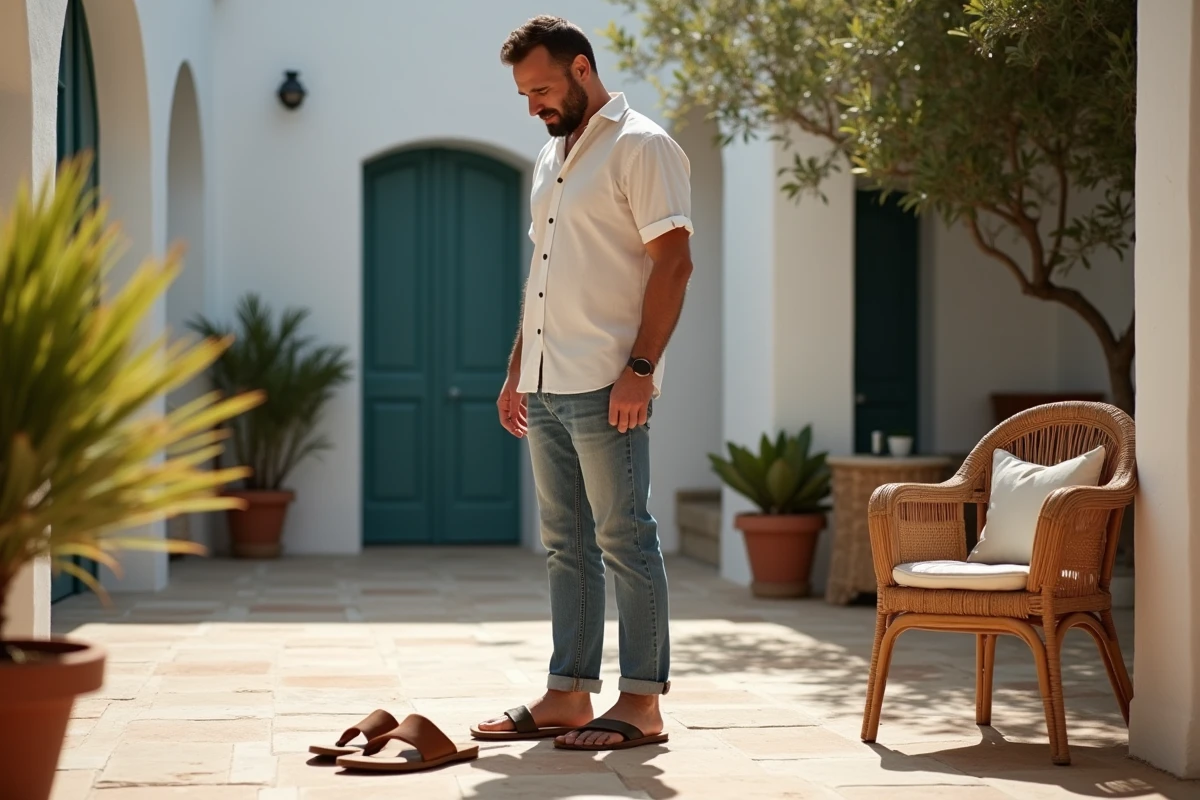
For every use, a sandal: how to choose according to your needs this summer
When the temperature rises, each activity imposes its own requirements. A city stroll, a nature getaway, a casual day, or a summer evening: in each context, one sandal is more suitable than another. Comfort does not only depend on the softness underfoot but on the shoe’s ability to conform to the morphology and support the arch over time.
For those who accumulate miles, opting for a model designed to support the foot and absorb shocks proves wise. The anatomical sole accompanies natural movement and prevents pain. Conversely, a sandal with a more streamlined design will appeal to those seeking a versatile style, equally comfortable in the city and by the sea.
To help you find the right fit, here are the main criteria to consider:
- For daily comfort: look for a sandal that maintains and protects the foot, especially if you plan to walk for a long time. The arch should be supported with every step.
- For fashion: some models focus on balancing style and practicality, without neglecting the quality of the fit.
- For foot health: a sandal that respects the natural shape of the foot avoids unnecessary pressure and prevents the onset of pain.
Usage matters as much as technique: city, beach, or light hiking, each sandal reveals its utility according to the occasion. The Scholl comparison shows that each model has its place, combining adaptability, style, and well-being. The choice expands year after year thanks to the abundance of offerings on e-commerce platforms, allowing everyone to find the model that will make a difference this summer. It remains to decide which step you wish to trust. The answer often comes down to just a few strides.