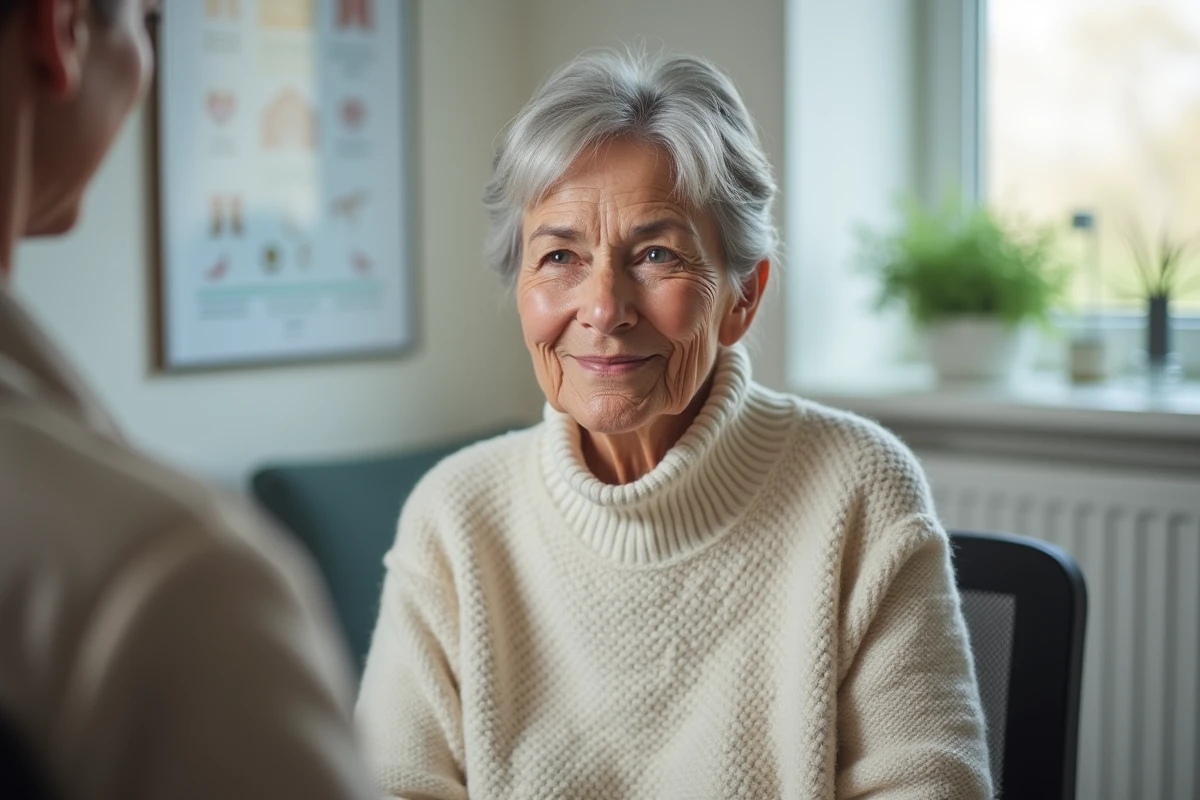
A raw figure: skin cancer affects more than 80,000 people in France each year, and the nose accounts for a significant share of these diagnoses. In the face of such reality, treatments are not limited to a simple intervention. For some, it requires repeating procedures, increasing check-ups, and pushing back the specter of a relapse. Even when surgery has successfully removed the tumor, monitoring does not stop there. The choice of protocol depends on each situation: the exact type of tumor, size, and precise location on the nose. Nothing is standardized; everything is decided on a case-by-case basis.
The way one recovers also varies. The general health of the person, the need to reconstruct part of the nose, the quality of follow-up: all of this weighs in the balance. After the operation, the goal remains clear: to avoid complications, promote good healing, and preserve, as much as possible, the balance of the face.
Understanding skin cancers of the nose: what to know before discussing treatments
The nose is one of the most exposed areas of the face, subjected on the front line to ultraviolet rays. As a result, skin cancers are common there, and several types coexist. Three main forms are found in practice: basal cell carcinoma, squamous cell carcinoma, and melanoma. Each presents specific characteristics. The basal cell carcinoma, which is by far the most common, evolves slowly, sometimes infiltrating deeply, but it usually remains localized. The squamous cell carcinoma, on the other hand, is more aggressive, with a potential for local extension and a risk of spreading to the lymph nodes. As for the melanoma, which is rarer on the nose, it raises concerns due to its potential for distant dissemination.
The first signals to watch for are unmistakable: a wound that takes time to heal, a persistent crust, an unusual nodule, sometimes a bleeding or visible changes in the shape of the nose. In rare cases, difficulty breathing should raise alarms. Several factors increase the risks: fair skin, family history, repeated sun exposure, the use of tanning booths, or prolonged contact with industrial dust.
The diagnosis relies on the vigilance of individuals and the expertise of health professionals. The dermatologist conducts a careful examination, then confirms through a biopsy and histological analysis. Evaluating the extent may require a CT scan or MRI. Identifying the exact nature of the cancer helps guide the choice of treatments. To delve deeper into this point and discover in detail the treatments for skin cancer of the nose, the dedicated page provides comprehensive insights: Skin cancer of the nose: treatments, follow-ups, and recovery explained – Hop Santé.
What are the options for treating skin cancer on the nose?
In the case of skin cancer of the nose, dermatologic surgery remains the reference solution for removing the lesion. One technique stands out: Mohs surgery. This method involves removing the tumor very gradually, layer by layer, analyzing each sample under a microscope. The goal? To completely eliminate the cancer while preserving as much healthy tissue as possible. This precision limits the risk of recurrence and often results in a better aesthetic outcome.
For superficial tumors, several alternatives exist. Here are the main techniques employed:
- Photodynamic therapy, which uses a photosensitizing substance activated by light to destroy cancer cells.
- Cryosurgery, which freezes the tumor with liquid nitrogen to destroy it locally.
- Electrodessication and curettage, a method combining scraping and cauterization for small lesions.
These methods are most often aimed at superficial basal cell carcinomas. When the tumor cannot be surgically removed or is extensive, radiotherapy takes over. Some drug treatments, such as immunomodulators (for example, imiquimod or 5-Fluorouracil (5-FU)), or targeted molecules like vismodegib, are reserved for specific cases: multiple tumors, surgical risks, contraindications to surgery.
For more aggressive cancers like melanoma or Merkel cell carcinoma, management sometimes combines surgery and systemic treatments: immunotherapy, targeted therapies, or even chemotherapy.
After tumor excision, nasal reconstruction is often necessary. It involves various techniques, tailored to the size and location of the tissue loss. This may include a skin graft, a forehead flap, a nasolabial flap, or even a bilobed flap. When the cartilage of the nose is affected, surgeons sometimes use cartilage taken from the ear, rib, or nasal septum to restore the structure and appearance of the nose. The challenge is to achieve a complete healing while preserving the harmony of the face.
Recovery and follow-up: practical advice for living well after treatments
After the intervention for a skin cancer of the nose, the recovery period comes with essential precautions. From the first days, healing requires attention: it is important to ensure gentle cleaning, to meticulously apply the prescribed healing cream, and to keep the area free from microbes. The nose remains, at this time, an open door to infections and external aggressions. Therefore, it is advisable to keep the environment clean and never touch the treated area without having carefully washed one’s hands.
Protection against the sun becomes a habit to adopt for good. One should apply a high SPF sunscreen on the nose every day, wear a wide-brimmed hat, and sunglasses whenever going outside. This discipline limits the risk of recurrence and protects the skin during its healing process. It is recommended to regularly observe the treated area: as soon as redness, a crust, or any other unusual sign appears, it should be discussed during consultations.
Medical appointments rhythm the monitoring after treatment. They take place with the dermatologist or the surgeon to check the evolution of the scar, nasal breathing, and any signs of disease recurrence. The frequency of these visits depends on the type of skin cancer, medical history, and the extent of the surgery.
The psychological impact of this journey should not be underestimated. The face changes, worries persist, the fear of a relapse or social discomfort can weigh heavily. It is helpful to discuss this with caregivers, to seek psychological support if needed. Daring to ask questions, expressing doubts, seeking answers: this active approach helps navigate the post-treatment period. For true reconstruction involves not only the skin but also the regained confidence and serenity.