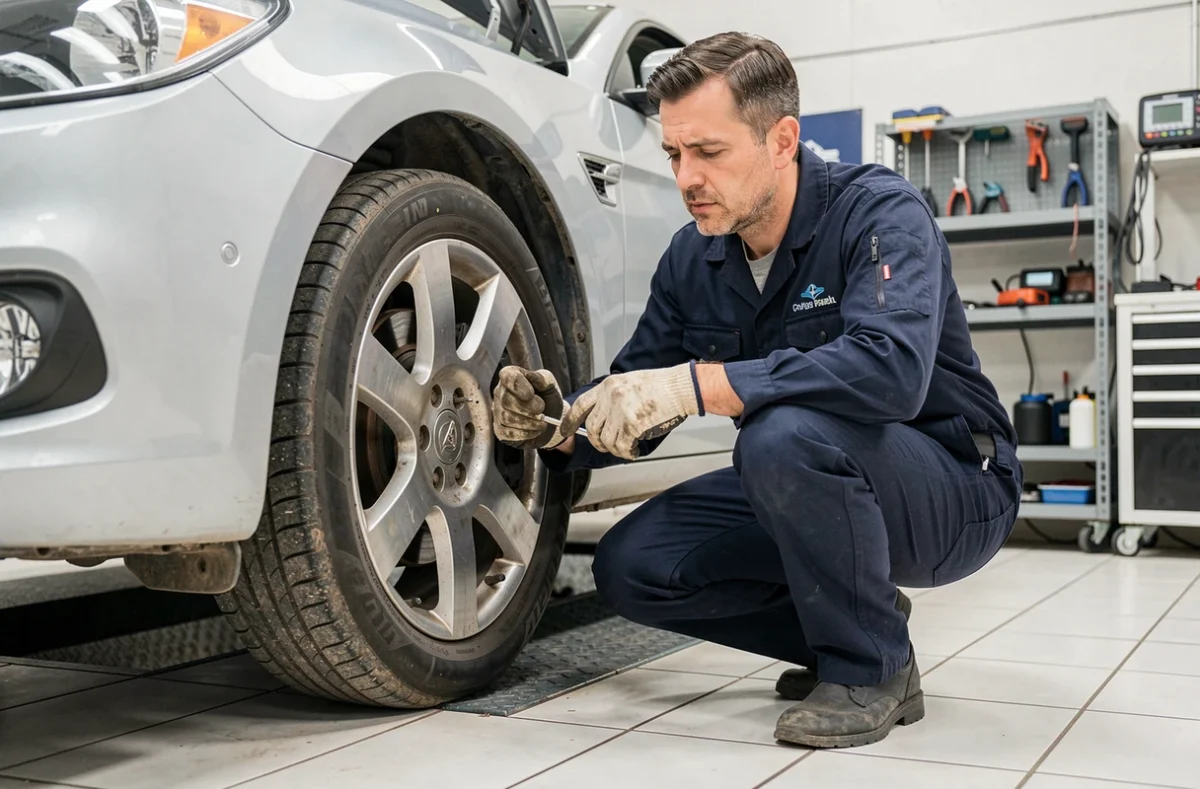
The French fleet now exceeds 6,784 technical inspection centers for light vehicles, with an offer that becomes denser each year. In the face of this abundance, comparing centers solely on price ignores significant differences in re-inspection rates, equipment, and specialization. This article measures what concretely distinguishes a reliable center from another, backed by data.
Re-inspection Rates and Fleet Age: The Figures That Guide Your Choice
The re-inspection rate is an indicator rarely consulted by motorists, even though it reflects both the rigor of the center and the condition of the local fleet. In 2025, this rate reaches 19.3% nationally for light vehicles.
| Indicator (2025) | Data |
|---|---|
| Technical inspection centers for light vehicles in France | 6,784 |
| Inspections carried out in the year | 27.6 million (+3.63% vs 2024) |
| Re-inspection rate for light vehicles | 19.3% |
| Proportion of vehicles over 10 years old presented | 60.85% |
| Average age of inspected passenger cars | 13.2 years |
A center whose re-inspection rate significantly exceeds the national average may indicate two things: either increased severity (which is not a flaw), or a particularly aging local fleet. Conversely, an abnormally low rate may indicate complacency, especially in an area where 60.85% of presented vehicles are over ten years old.
This information is not always displayed in the window. Some networks publish it in their annual reports. As a first filter before making an appointment, online booking platforms like auto-test.be allow you to compare centers based on objective criteria, beyond just price.
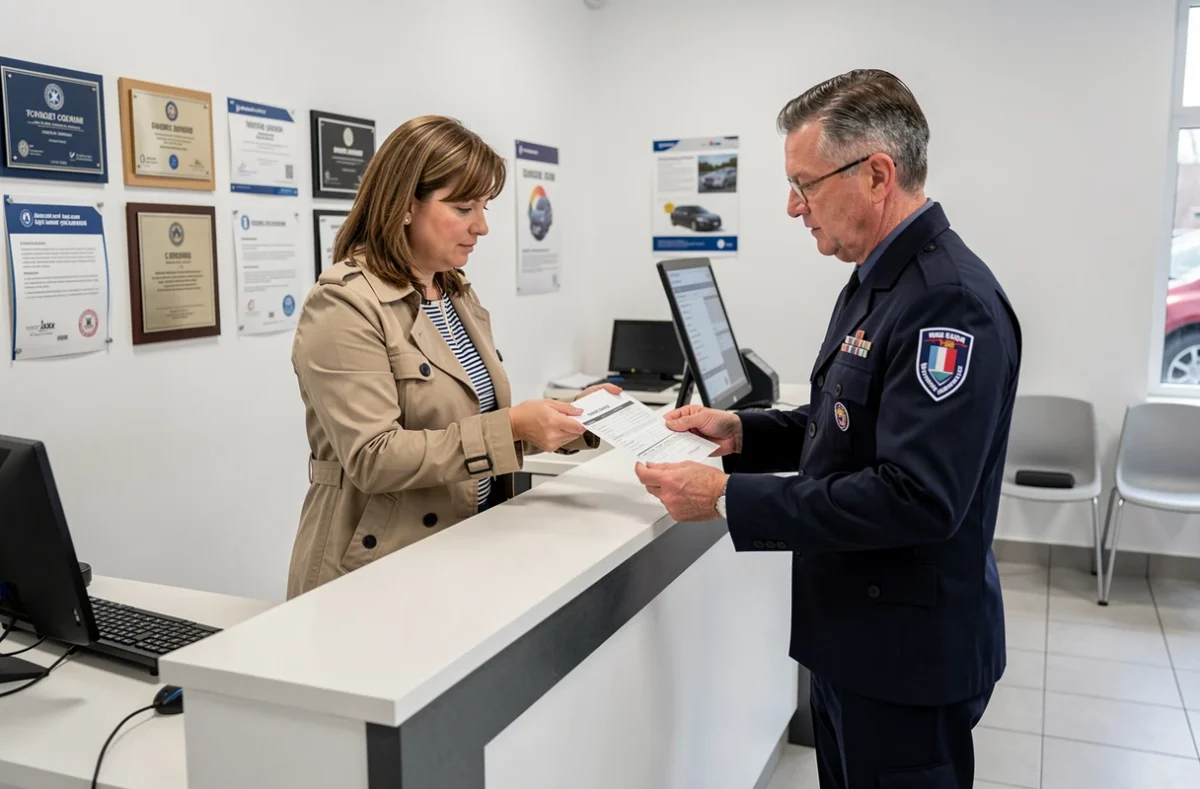
Measurement Equipment and Calibration: What the Center Doesn’t Show You
Prefectoral approval imposes a baseline of equipment (brake bench, opacimeter, gas analyzer), but it says nothing about the actual frequency of calibration or the generation of the equipment used. Two approved centers can operate with very different levels of precision.
Recent regulations encourage centers to invest in tools capable of diagnosing electric and hybrid vehicles. Specific checks for high-voltage batteries (electrical insulation, connectivity, wiring) require dedicated equipment that not all centers possess yet.
- A recent brake bench detects braking asymmetries that older models may overlook, reducing the risk of unreported failures.
- The latest generation opacimeter measures fine particles with increased accuracy, relevant for Euro 5 and 6 diesels subject to stricter thresholds.
- Centers equipped for electric vehicle inspections check the insulation condition of the high-voltage circuit, a critical point absent from conventional installations.
Asking the center if it inspects electric vehicles is a good indirect indicator of the modernity of its equipment, even if your car runs on gasoline.
Independent Center or National Network: The Concrete Differences
The distinction between a national brand and an independent center is not just a matter of branding. It concerns the standardization of processes, pricing policy, and traceability of reports.
Standardization and Supervision
National networks apply internal protocols that add to the regulatory specifications. Inspectors undergo ongoing training mandated by the network’s head office, and the results of each center are consolidated in internal databases. This supervision creates homogeneity: an inspection in a network center follows the same procedure regardless of the location.
An independent center can achieve an equivalent level of rigor, but nothing compels it beyond the regulatory minimum. The quality then entirely depends on the inspector and the manager.
Pricing and Transparency
Brands often display price lists that can be consulted online, with recurring promotions. Independents sometimes charge lower prices, but the clarity varies. Conversely, some independents charge for additional services (in-depth diagnostics, detailed reports) that can justify a price difference.
Price alone is not enough to make a decision. A cheaper center that misses a critical defect costs much more than a re-inspection at a more rigorous competitor.
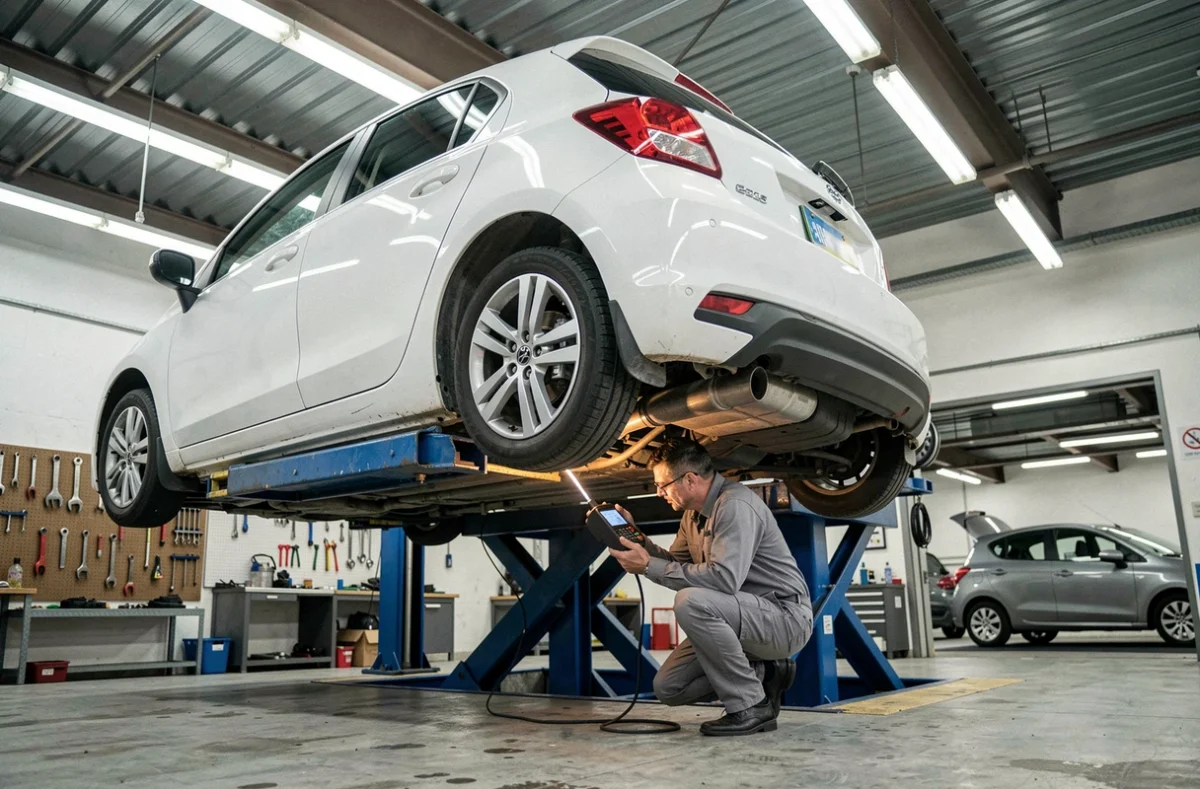
Technical Inspection of Electric Vehicles: A Specialization Criterion to Check
With the growth of the electrified fleet, the technical inspection of these vehicles becomes a differentiation issue between centers. The points checked include the insulation of the high-voltage circuit, the condition of the charging connectors, and the specific wiring.
The question of battery state of health (SoH) remains a subject of evolving regulation. The legal framework does not yet impose a minimum SoH threshold during the technical inspection, but some centers already offer indicative measurements. This voluntary service signals competence and investment in equipment.
- Check that the center explicitly mentions the inspection of electric vehicles in its services.
- An inspector trained in high-voltage specifics reduces the risk of incomplete diagnostics on electrical safety elements.
- Centers that have not invested in this equipment sometimes direct electric vehicle owners to a colleague, which extends waiting times.
Article R323-13 of the highway code prohibits technical inspection centers from any repair or automotive trade activities. A center that suggests on-site repairs or systematically redirects to a partner garage without you asking is operating outside its legal scope. This point remains valid regardless of the type of engine.
The most reliable criterion for choosing a center remains the combination of a re-inspection rate consistent with the local average, equipment suitable for your type of vehicle, and verifiable pricing transparency before making an appointment. Geographical proximity should only come into play after these three filters.